Seven Ports to Orbit: The Launch Complexes Vying to End the Cape's Long Reign
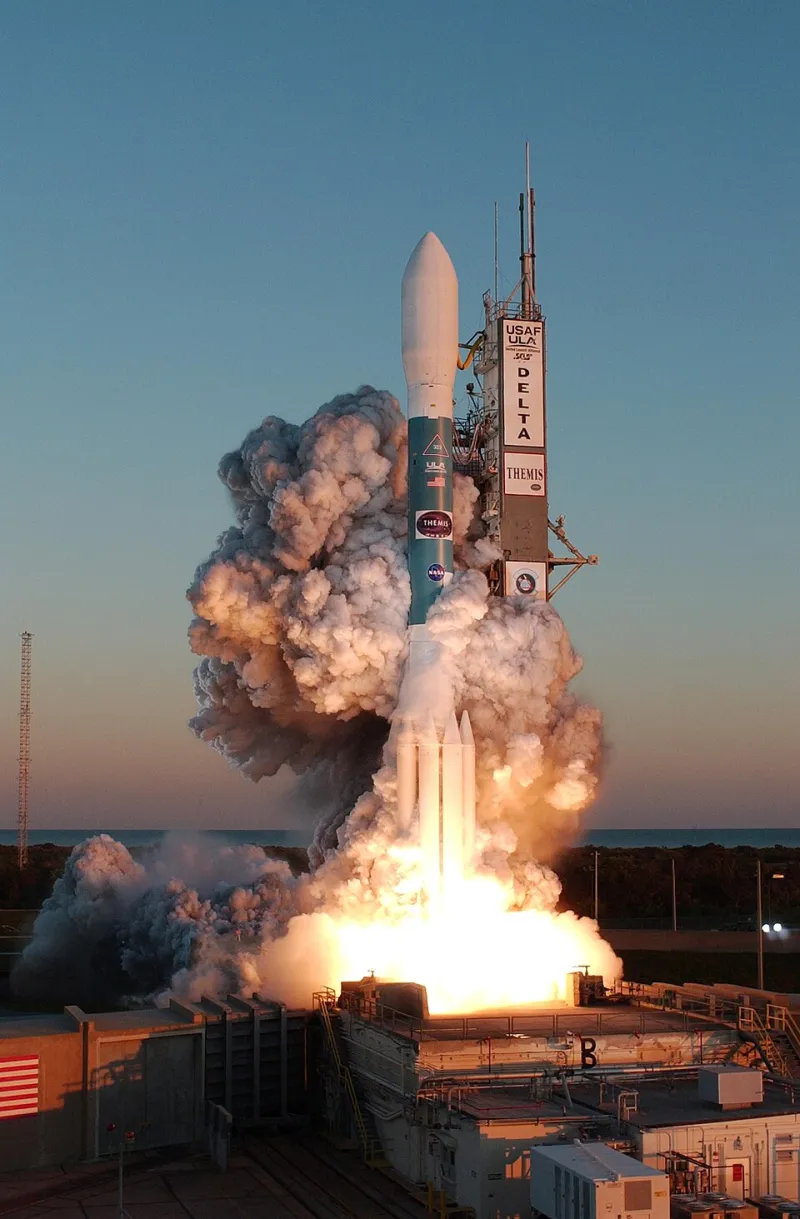
Photo: Photo credit: NASA/Jerry Cannon, Public domain, via Wikimedia Commons
For most of the space age, American orbital flight meant one place: Florida's Space Coast. That monopoly is ending. A scattering of coastal sites, private ranges, and ambitious state-backed spaceports is quietly building the geographic diversity that national security planners say the country needs. Here are seven contenders.
1. Kodiak Island, Alaska
The Pacific Spaceport Complex has endured a rough history — a 2014 failure destroyed the facility — but its position is strategically superb. Southward launches over open ocean reach polar and sun-synchronous orbits without overflying populated land, the profile demanded by Earth-observation constellations. Recent state investment and anchoring customers like Astra suggest Kodiak's second act may be its most consequential.
2. Vandenberg's Neighbors: California's Central Coast
Vandenberg Space Force Base remains the Western Range workhorse, but commercial activity around Lompoc is growing. The catch: California's regulatory climate and coastal commission oversight add cost and delay. Still, the existing infrastructure and ideal southerly launch corridors keep the region indispensable.
3. Camden County, Georgia
Spaceport Camden has been one of the most contested projects in the industry. Proposed launches over a sparsely populated barrier island drew litigation from residents and environmental groups, and a 2022 ballot referendum reversed local zoning support. The site's fate is uncertain, but its deepwater port and southern latitude keep it on the long list.
4. Wallops Flight Facility, Virginia
The Mid-Atlantic Regional Spaceport on Wallops Island has become the quiet success story. Home to Antares and Electron launches, it benefits from state commitment, a professional range, and proximity to the defense and intelligence community around Washington. For medium-lift and responsive-launch missions, Wallops is no longer an underdog.
5. Boca Chica and the Rio Grande Valley, Texas
Starbase, at Texas's southern tip, is the most ambitious private spaceport ever attempted. Its near-equatorial-ish latitude, Gulf-facing trajectory, and single-tenant concentration allow launch cadences no government range can match. The trade-offs — environmental review battles, a company town's dependence on one customer — are equally unprecedented.
6. Ellington and the Gulf Coast, Texas
Houston's bid to host commercial launch operations leverages the city's aerospace workforce and NASA heritage. Early-stage and focused on suborbital and small-lift work, it represents the economic-development model of spaceport building rather than the orbital heavy-lift path.
7. Cecil Spaceport, Florida
A former Navy base near Jacksonville, Cecil offers something rare: inland launch infrastructure inside the industry's home state, with runways, industrial land, and political support already in place. Its trajectory toward horizontal-launch operations could make it a hub for reusable spaceplanes.
Why Dispersion Matters
Concentrating launch capacity at a handful of sites creates single points of failure — weather, accidents, or range conflicts can ground an entire national program. Defense planners have warned for years that responsive space launch requires geographically distributed, commercially operated sites. Seven ports to orbit is not redundancy for its own sake; it is resilience, and increasingly, a national security requirement.